How to Check for Bed Bugs
Most people check for bed bugs by pulling back the duvet and looking at the sheet. That is a start, but the bugs themselves spend their days tucked into seams, joints and cracks a few feet from where you sleep. Here is how to look the way an inspector would.
The short answer
To check for bed bugs, take the bedding off and use a bright torch along every mattress seam, label and handle, then the bed frame, the base and the back of the headboard.
After that, check the bedside furniture, the skirting and any sofa people sleep on. You are looking for small brown bugs, dark ink-dot spots, blood smears, shed skins and pale eggs.
On this page
Kit for the job
Nothing here is specialist, but these few things make the search far easier:
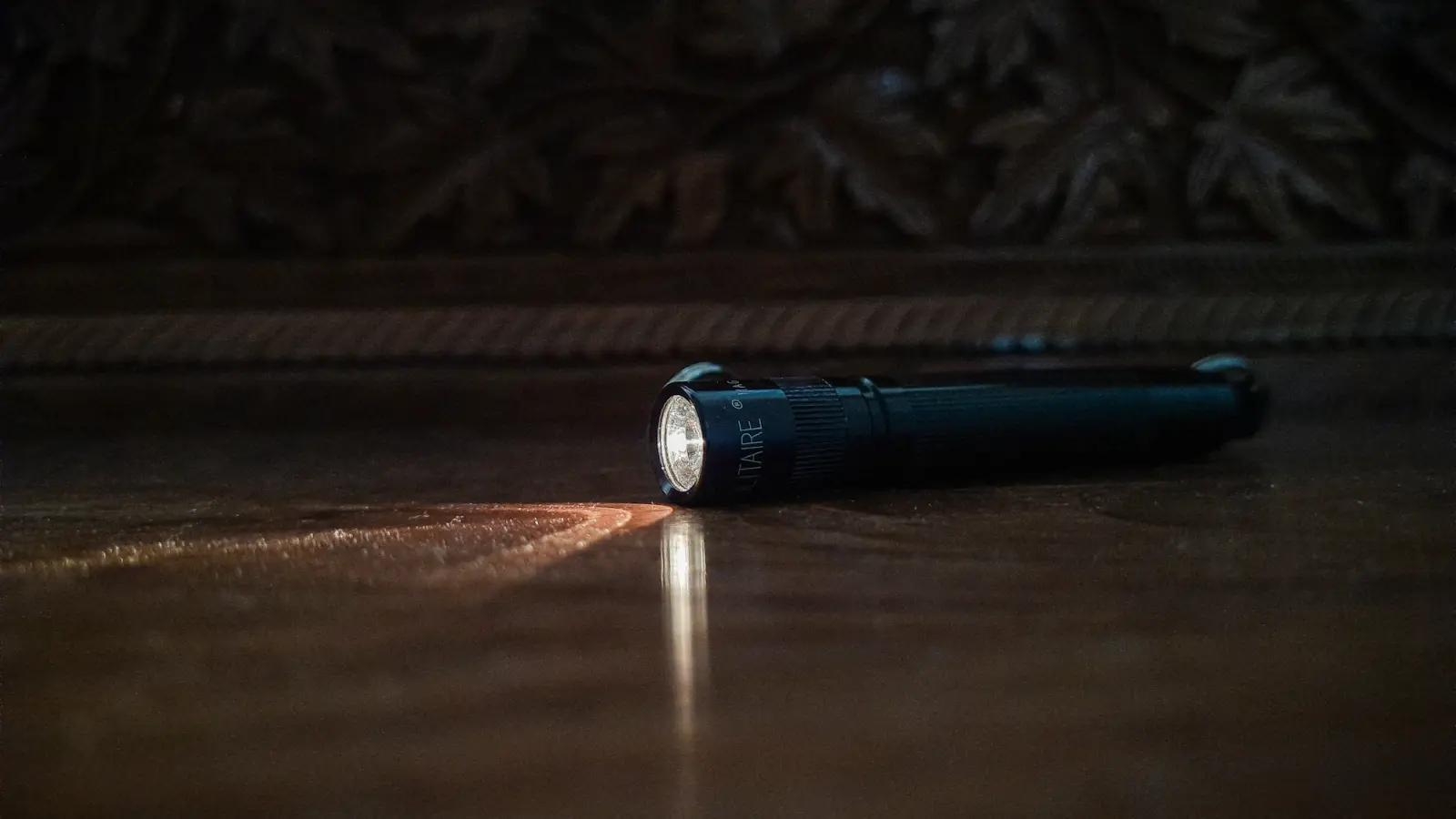
- A strong light. Your phone can manage at a push, though a proper torch, angled low across the fabric, makes small dark marks stand out far better.
- Something thin and stiff, like an old bank card, to slide into seams and cracks.
- Clear sticky tape to pick up anything you find. Some councils ask for a sample like this before they book a visit.
- A bin bag for the bedding, so you can carry it straight to the washing machine without shaking it through the house.
Give yourself time. A careful check of one bed and the furniture around it is not a five-minute job.
Start with the bed
Strip the bed and bag the bedding first. Then work round the mattress slowly, top side first:
- Run the torch along every seam and piping edge. Bed bugs like the folds where the fabric is stitched.
- Check the labels and the handles. Lift them up and look underneath.
- Look at the corners closely. They are often where marks show first.
- Turn the mattress if you can and do the same on the underside, which is where many people find the first spots.
Do not forget the pillows and anything that lives on the bed, such as a mattress topper or a throw.
The frame, base and headboard
In other words, everything the mattress sits on and leans against. This is where a lot of first-time checkers stop too early.
- Divan bases: the fabric seams, the corners, and the thin cover underneath if it is torn.
- Wooden or metal frames: joints, screw holes, and the ends of the slats.
- Headboards: the back of the headboard and the gap between it and the wall. If it unbolts, take it off and look behind it.
Give the headboard extra time. It is dark, close to where you sleep and rarely moved, and the BPCA's advice for checking a room singles out the mattress edges and the headboard.
The rest of the room
If you have found nothing on the bed, widen the search. And if you have found something, you still need to know how far it goes. Check:
- Bedside tables and drawers, including the runners and the undersides.
- Skirting boards and edges of carpet near the bed.
- Plug sockets, light switches and picture frames close to the bed.
- Curtains, especially the folds and hems.
- Sofas and armchairs, particularly where anyone naps or sleeps, down the sides and under the cushions.
- Anything stored under the bed: boxes, suitcases and bags.
What you are looking for
Hastings Borough Council's list of signs is a good one to keep in your head while you look:
| Sign | What it looks like | Where you will usually find it |
|---|---|---|
| Droppings | Small dark spots about 1mm across, like ink dots, sometimes in clusters | Bed frame, upholstery, underside of the mattress |
| Blood smears | Small rusty or red marks | Sheets, pillowcases, headboard |
| Shed skins | Paler brown, empty, bug-shaped husks | Seams, joints and cracks |
| Eggs and egg shells | Tiny, elongated and whitish-cream, small but visible | Tucked into seams and crevices |
| The bugs | Flat, oval and reddish-brown, about 4 to 6mm long | Around the bed and sleeping area |
| A smell | A musty odour | In heavier infestations |
Bites belong on the list too, often in lines on the neck, shoulders, back, arms or legs. But Hastings is clear that bites alone do not confirm bed bugs, because other bites and allergic reactions look very similar.
Checking a hotel room or second-hand furniture
Away from home, the idea is the same but quicker. In a hotel, the BPCA's advice is to check the mattress edges and the headboard, and not to put your luggage on the bed or other furniture. Fold the bedding down from the pillows, run a light along the mattress edges and look behind the headboard if you can.
For second-hand furniture, both the NHS and the BPCA say to check it carefully before it comes indoors. Beds, bed bases and sofas are the ones to be most careful with, because they are where bed bugs live. Go over every seam, joint and screw hole the way you would on your own bed, and if you are unsure, leave it.
What to do if you find something
First, do not panic, and do not start spraying. Hastings council warns that amateur products often fail and can spread bed bugs to other rooms.
- Pick up a sample on clear tape so someone can identify it.
- Leave the room as it is. Moving furniture around can spread them.
- Wash the bedding you bagged following the NHS: wash at 60C, then give it half an hour or more on a hot dryer setting.
- Have it confirmed. A bed bug survey identifies what you found and maps how far it goes, and any treatment is planned from that.
Renting? Your landlord needs to hear about it in writing, today. Our page on bed bug inspections for landlords explains why a written record matters. And if you would rather someone else did all of this, a professional bed bug inspection is exactly that.
More questions about checking
What time of day is best to look?
Any time works for the signs: droppings, shed skins and eggs do not move. The bugs themselves are another matter. The BPCA says bed bugs are nocturnal and usually feed while people sleep, so a torch check at night gives you the best chance of seeing them out in the open.
Can I see bed bugs with the naked eye?
Yes. The NHS puts adults at about 5mm long, and the BPCA at 4 to 6mm, so they are visible if you know where to look. Hastings council notes that shed skins, eggs and empty egg shells are small but visible too. Young bed bugs are tiny and hard to see, which is where a torch and a magnifier help.
I found nothing but I am still getting bites. Now what?
Try interceptor cups beneath each leg of the bed, checking them every few days for a fortnight or so, or ask someone more practised to take a look. Bites alone are not proof, but they are not something to ignore either.
Should I spray the bed while I wait?
No. Hastings council warns that amateur products often fail and can drive bed bugs out into neighbouring rooms. That leaves a larger problem that is harder to pin down.
Want someone else to check?
The postcode of the property, your name, a phone number and an email address. That is all we need to start.
We track down a bed bug inspector who covers your area and tell you who they are before a single detail of yours reaches them. You pay us nothing for that. We are not a pest control firm and we never carry out inspections or treatments ourselves.
Thanks, we have your request.
Here is what happens next:
- We look for an inspector who covers that part of the country, and tell you who it is if we find one.
- It is your call. Nothing is shared with that inspector until you are happy with the choice.
- If you agree, they contact you to book a visit and give you a price.